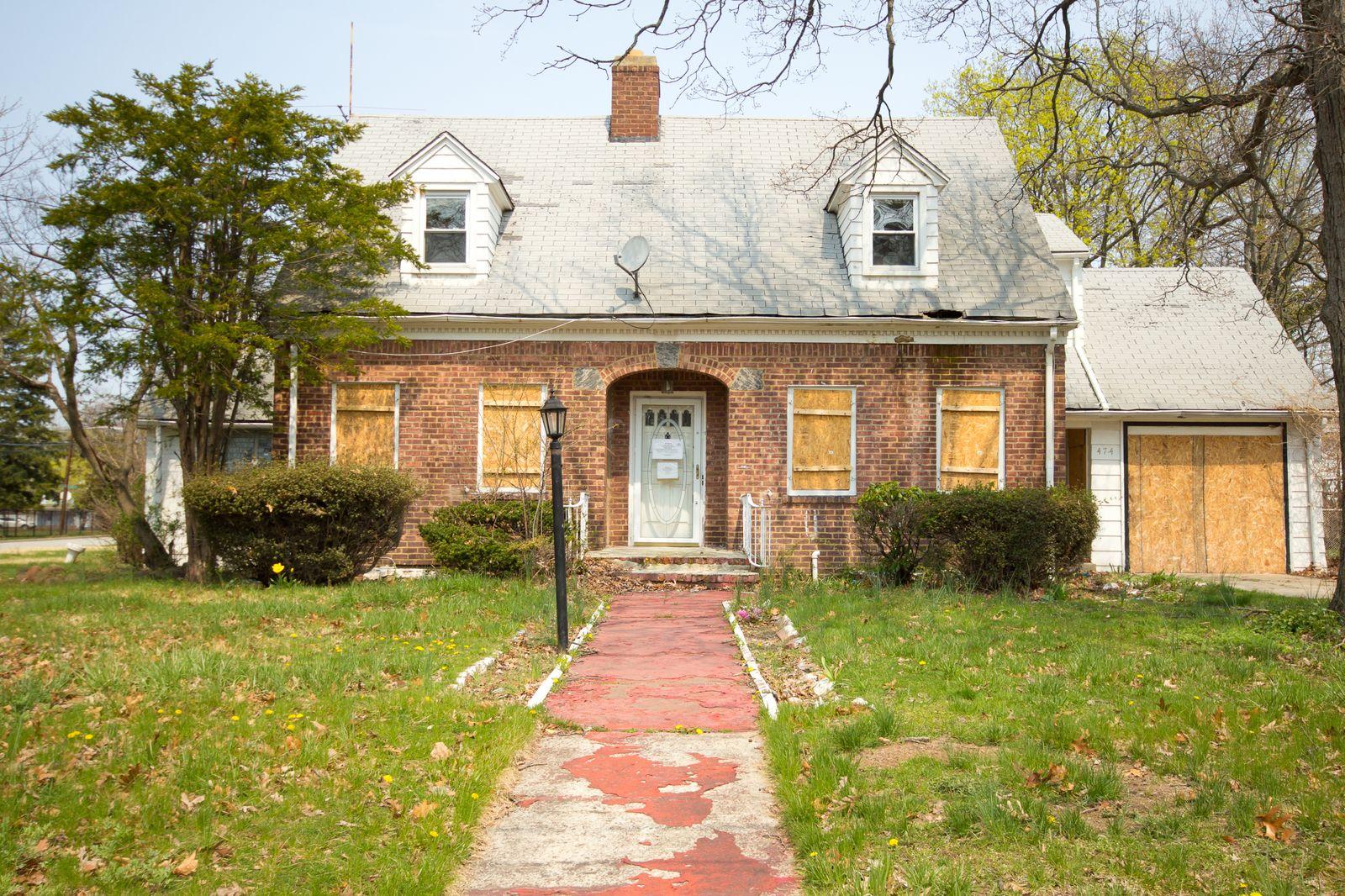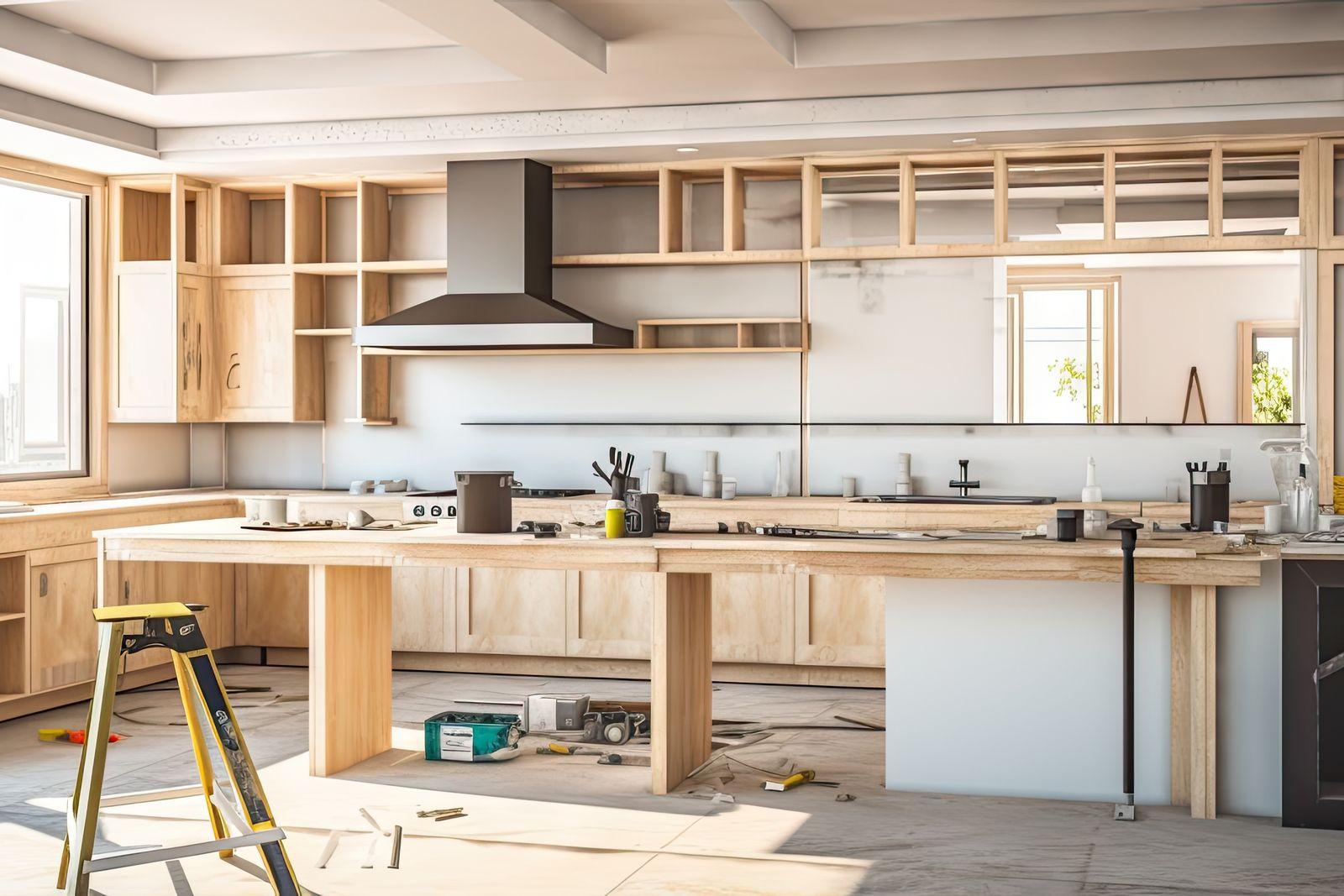
Not every repair pays you back. How I help Northern Virginia sellers decide what to fix, what to update and what to leave for the next owner.
“What should we do before we list?” is the first question almost every seller asks me. The answer is rarely “redo the kitchen.” More often it’s a list of smaller jobs, a few repairs that can’t wait, and a handful of things to leave alone.
Because I come from a construction, renovation and staging background, I walk through a house looking at two things at once: what a buyer will notice on the first visit, and what their inspector will find a week later. Here’s how I sort it out.
Start with what the inspector will find
Most buyers will have the home inspected, and the report can reopen negotiations. Problems you fix ahead of time are usually cheaper than the credits buyers ask for once they’re in writing.
In Northern Virginia, where so many homes were built between the 1950s and the 1980s, these are the items I check first:
- Roof age and any soft spots, missing shingles or flashing problems
- Water in the basement, stains on ceilings, and gutters and downspouts that dump water against the foundation
- Wood rot around windows, doors, trim and decks
- The age of the furnace, heat pump, air conditioner and water heater
- Electrical issues like missing GFCI outlets near water, double-tapped breakers or old panels
- Loose railings, cracked steps and anything else that’s a safety issue
You don’t need to make every system new. But water, safety and anything that looks like neglect are worth handling before the house goes on the market. If you’re not sure what’s lurking, a pre-listing inspection is a small expense that takes the surprises out of the process.
The small updates that do the most
Once the must-fix items are covered, the best return usually comes from work that is cheap compared to its effect on photos and showings.
Fresh paint. Neutral walls and crisp, clean trim make rooms look bigger and better cared for. This is the single most common recommendation I make.
Floors. Plenty of Colonials and ramblers around here have hardwood hiding under old carpet. Pulling up the carpet and refinishing the wood can change the feel of the whole house. Where there’s no wood underneath, new neutral carpet is often enough.
Lighting. Swap dated fixtures in the entry, kitchen and dining room, and use bulbs of the same color temperature throughout so rooms don’t look half yellow and half blue.
The little things. New cabinet hardware, fresh caulk around tubs and sinks, clean grout, outlet covers that match, doors that close properly. Buyers read these details as a sign of how the house has been maintained.
Curb appeal. Power wash the siding and walkways, edge and mulch the beds, trim the shrubs off the windows, and paint or replace the front door if it’s tired.
What usually isn’t worth it
Big remodels right before a sale rarely pay for themselves. You take on the cost, the stress and the delay, and the buyer may not even like your choices.
These are the projects I usually talk sellers out of:
- A full kitchen or bathroom remodel
- Replacing windows that still open, close and seal
- Finishing a basement or adding a room
- Expensive landscaping or hardscaping
- Very personal design choices, like bold tile or dark accent walls
There are exceptions. If every comparable home that sold on your street had an updated kitchen, a lighter refresh might make sense: painted cabinets, new hardware, a new faucet and lighting, maybe new counters. That’s where the next step comes in.
Let the nearby sales decide
What’s worth doing depends on your neighborhood, not on a national list of the “best returns.” Before we spend a dollar, I look at what has sold near you recently and what condition those homes were in.
If the homes that sold quickly were freshly painted with refinished floors, that’s our baseline. If buyers in your area are mostly looking for a project and expect to renovate, spending heavily on updates may just shrink your proceeds. The goal is to make your home compete well against the others buyers will see that same weekend.
Presentation counts too
Repairs and updates get the house in shape. Staging and preparation get it noticed. As a certified stager, I help sellers clear out, rearrange what they have and fill gaps so each room has a clear purpose. Online photos are your first showing, and a well-arranged room photographs larger and brighter than the same room crowded with furniture.
Decluttering costs little more than time. Pack up the extra furniture, clear the counters, thin out the closets and take down most of the family photos. You’re moving anyway, so think of it as a head start on packing.
Give yourself enough time
Good contractors book up, especially in spring. If you’re planning to list in March or April, it’s smart to start getting bids during the winter. Bigger jobs, like electrical work, plumbing changes or anything structural, often need a county permit, so build that into the timeline. Keep receipts and warranties for the work you do, because buyers like to see them.
If you don’t have people to call, that’s where I can help. Over the years I’ve built relationships with painters, handymen, contractors, cleaners and organizers, and I can point you to the right person for each job.
If you’re thinking about selling in the next year, I’m glad to walk through your house with you and help you sort the list. You can read more about preparing your home to sell, or get in touch whenever you’re ready.