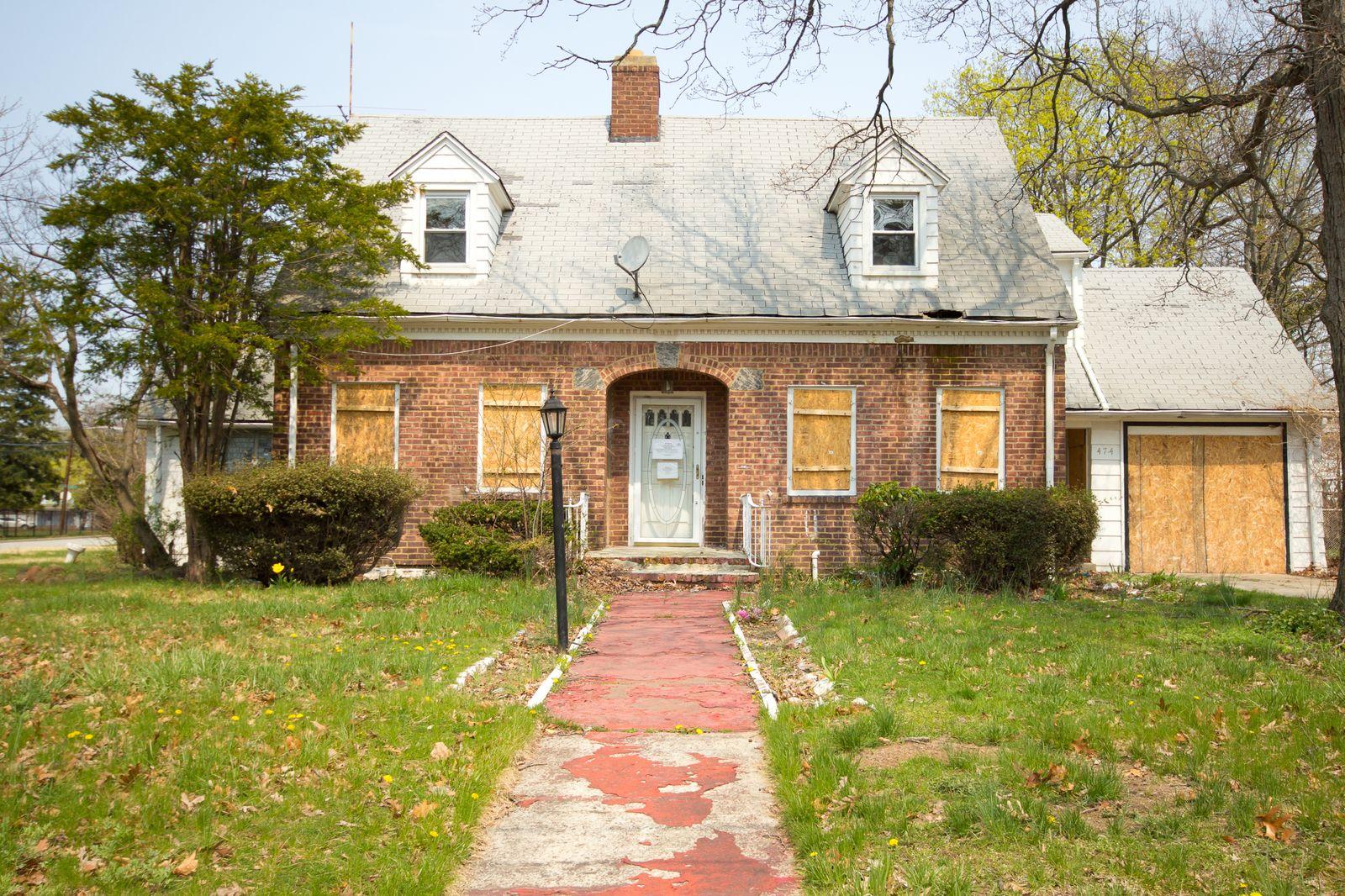
Before you buy a rental or a fix-up, look past the paint. What I check on condition, systems, likely repairs, rentability and HOA rules.
Buying a property to rent out or renovate is different from buying a home to live in. You’re less likely to fall for the paint color and more likely to get surprised by the furnace. The listing photos show what’s been updated. Your job is to figure out what hasn’t.
I can’t tell you what return a property will earn, and you should run the numbers with your lender and accountant. What I can do is help you see the house clearly. My construction and renovation background means I tend to look past the finishes and at what it will take to own the place.
Here’s what I look at.
Start with the bones
Cosmetic problems are easy to price. Structural and water problems are not, so look at those first.
- Foundation and basement. Cracks, bowing walls, a musty smell, white mineral deposits on block walls, or fresh paint in just one corner of the basement can all point to water.
- Drainage. Gutters, downspouts and the slope of the yard should move water away from the house.
- Roof and attic. Check the roof’s age, look for stains on the attic sheathing, and see whether the attic is properly vented and insulated.
- Past changes. Removed walls, additions, finished basements and converted garages should have permits. Fairfax County and the cities of Alexandria and Fairfax keep permit records, and unpermitted work can be costly to fix later.
Know the age of every system
Most of the big-ticket surprises live in the mechanical systems. Find out how old each one is, and plan for anything near the end of its life.
- Heating and cooling. Furnaces, heat pumps and air conditioners often need replacing somewhere around 15 to 20 years.
- Water heater. Many tank water heaters wear out after roughly 10 to 12 years.
- Electrical. Look at the panel’s capacity and condition. Some homes built in the mid-1960s to early 1970s have aluminum branch wiring, which needs a careful look by an electrician.
- Plumbing. Older homes may have galvanized steel supply lines, and some houses built from the late 1970s into the 1990s have polybutylene pipe. Both are worth identifying before you buy.
- Sewer line. In older neighborhoods with mature trees, a camera inspection of the main line can catch root damage before it becomes an emergency.
Budget for what you can’t see
Even a careful walkthrough won’t catch everything. A general home inspection is the starting point, and depending on the house, I often suggest adding a sewer scope, a termite inspection, radon testing and a chimney inspection.
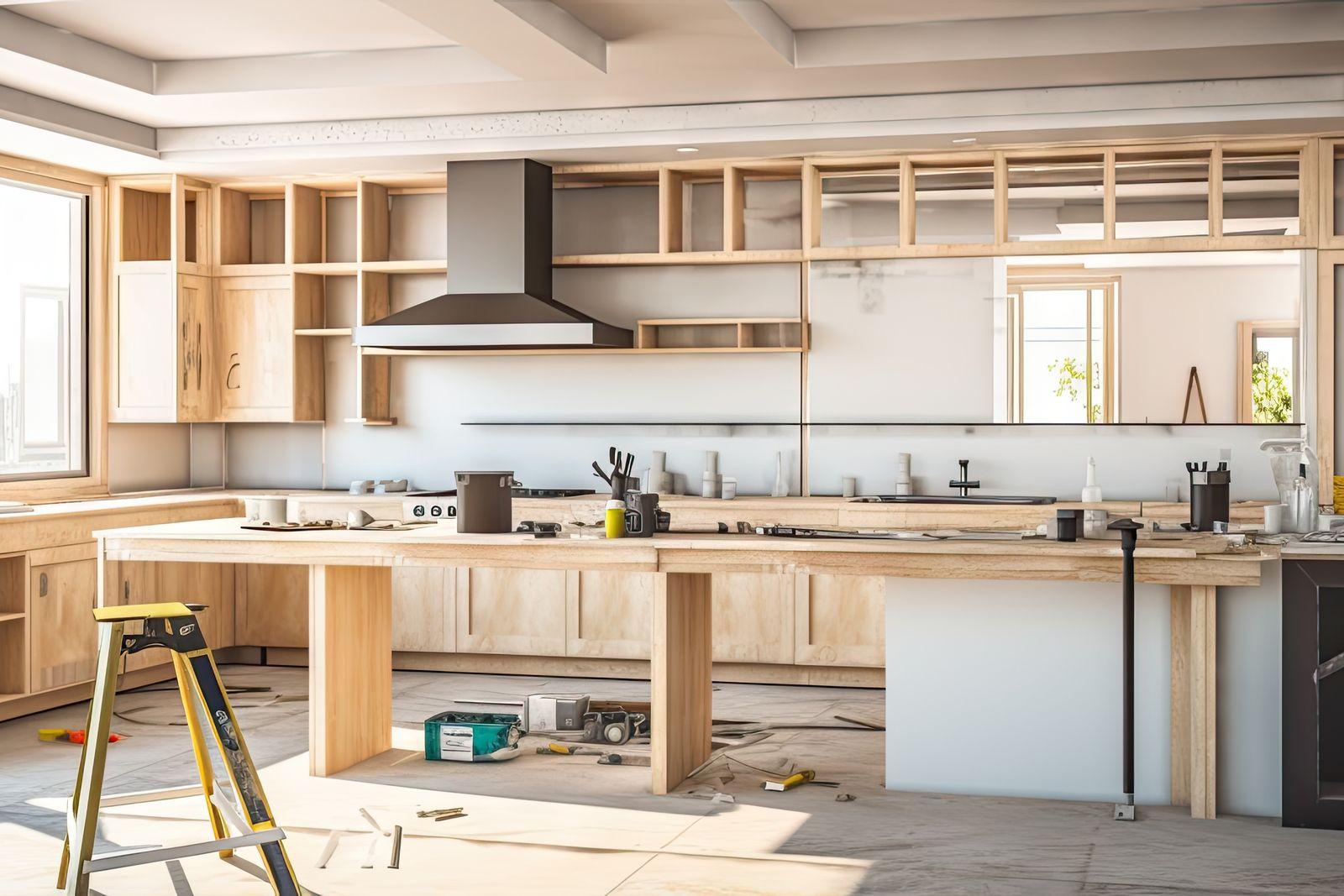
On a fix-up, it can be worth bringing a contractor through before you make an offer, or during the inspection period, so you have a rough idea of the scope. Then add a cushion on top of that estimate. Older houses almost always turn up something once the walls are open.
Don’t forget the costs of time. While a house is vacant and under construction, you’re still paying the mortgage, taxes, insurance and utilities.
Ask whether it will rent
A property only works as a rental if people want to live there. In Northern Virginia, a few things tend to matter most to renters:
- A reasonable commute, especially to Metro, the VRE, Fort Belvoir, the Pentagon or major job centers
- Enough bedrooms and bathrooms for the price, and a layout that works for roommates or families
- Parking, a washer and dryer, and decent storage
- A kitchen and bathrooms in good enough shape that tenants won’t ask for upgrades right away
I also help landlords lease their homes, so I hear what renters ask for and what makes them pass on a place. That’s useful when you’re deciding which updates matter and which don’t.
If you’re thinking about short-term rentals, check the rules first. Fairfax County requires a permit and sets limits, and the City of Alexandria and the City of Fairfax have their own rules.
Read the HOA or condo rules before you write an offer
Plenty of townhomes and condos here are good rentals, but association rules can change the picture completely.
- Rental limits. Some associations cap how many units can be rented, set minimum lease lengths, or require a waiting period after purchase.
- Leasing paperwork. Many require tenants to register or sign an addendum.
- Short-term rentals. Often not allowed at all.
- Money matters. Look at the fees, the reserve fund, any special assessments and any big projects in the minutes, like roofs, balconies or elevators.
- Exterior changes. Doors, windows, decks and even paint colors may need approval.
In Virginia, you’ll receive the association’s resale documents after you’re under contract, along with a short window to review them and back out if needed. Use that time and read them closely.
Keep the fix-up in proportion
On a renovation, sort the work into cosmetic jobs (paint, flooring, lighting, fixtures) and the bigger items (systems, structure, layout changes). The cosmetic work is where you can control costs. The bigger work is where budgets and timelines tend to grow.
Finally, keep the finished product in line with the neighborhood. It’s easy to put more into a house than the street will support.
If you’re looking at a rental or a fixer, I’m glad to walk it with you before you make an offer and tell you what I see. You can read more about investment properties or reach out with a specific address.